


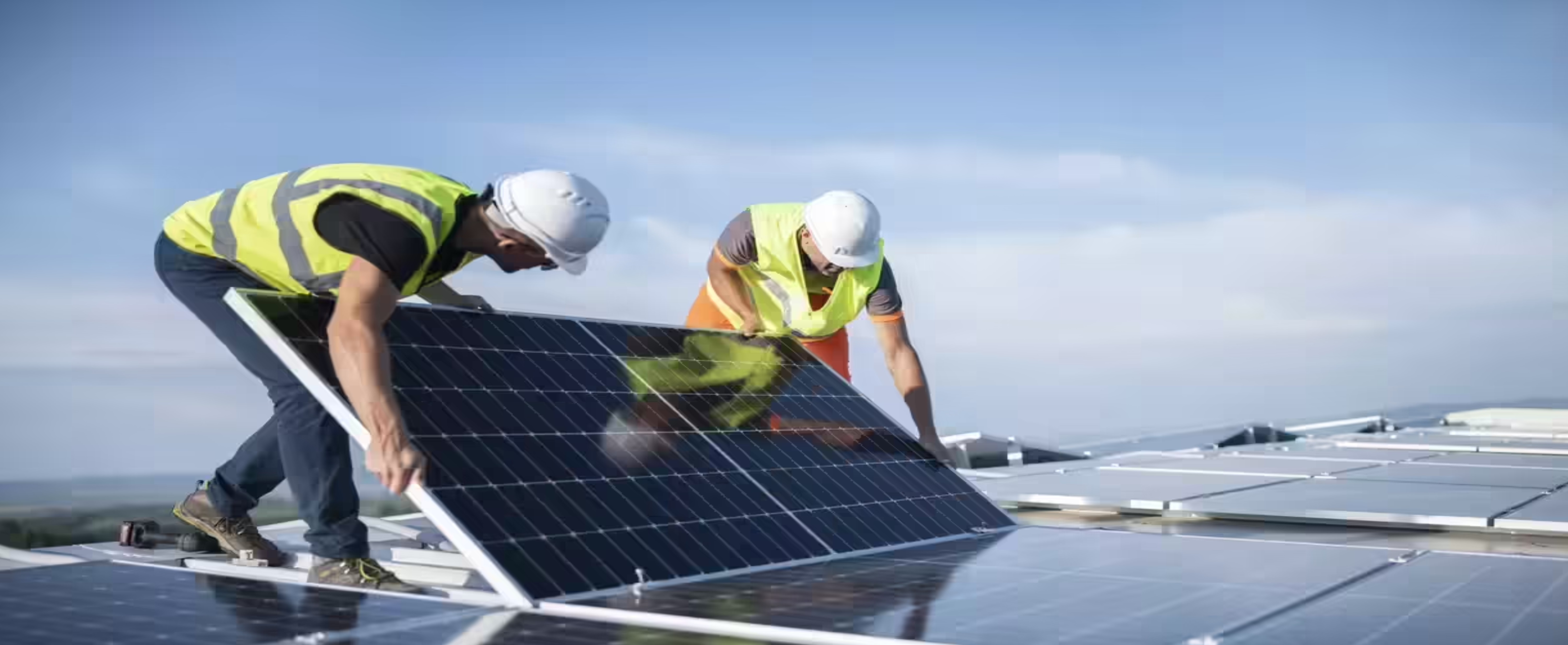
AI-integrated computer vision (cameras + edge AI) continuously scans work zones for unsafe conditions: missing PPE, workers in prohibited zones, falling objects, unstable scaffolding, gas leaks, or improper equipment use. Alerts are sent instantly to supervisors and workers, preventing incidents before they occur.
Wearable AI devices and posture-analysis cameras detect signs of fatigue, heat stress, overexertion, or poor ergonomics. Machine learning models predict when a worker is at higher risk of error or injury, triggering mandatory breaks, task reassignment, or supervisor intervention — critical in 24/7 or physically demanding operations.
| AI Contribution to Manpower Safety | Key Technologies | Impact / Benefit |
|---|---|---|
| Real-Time Hazard Detection | Computer vision, edge AI, object detection | Prevents 30-60% of preventable incidents |
| Fatigue & Ergonomic Monitoring | Wearables, pose estimation AI, physiological sensors | Reduces fatigue-related accidents by 20-40% |
| Predictive Risk Analytics | Machine learning on historical + real-time data | Forecasts high-risk scenarios & locations |
| Automated PPE & Compliance Enforcement | AI vision + facial recognition (privacy-compliant) | Ensures 95%+ PPE compliance, lowers fines |
| Emergency Response Acceleration | AI anomaly detection + geolocation + voice analysis | Cuts response time by 50-70% |
| Training & Simulation Enhancement | AI-driven VR/AR simulations & behavior analysis | Improves safety training effectiveness by 2-3x |
AI analyzes patterns from incident reports, near-misses, sensor data, weather, and worker schedules to predict high-risk periods, zones, or tasks. This allows managers to adjust staffing, implement controls, or schedule maintenance before accidents happen — turning safety data into actionable foresight.
AI vision systems verify helmet, harness, glove, and vest usage in real time, even in large or remote sites. Non-compliance triggers immediate audio/visual alerts and logs for follow-up. This ensures consistent adherence without constant human supervision.
AI detects falls, lone-worker distress (via wearables), unusual sounds (shouts, machinery failure), or gas/smoke anomalies and automatically triggers alarms, notifies emergency contacts, shares exact GPS location, and even guides responders via augmented reality overlays.
AI-powered VR/AR training simulates hazardous scenarios (confined spaces, high-voltage work, heavy machinery operation) with adaptive difficulty based on the trainee’s performance. Post-training behavior analysis identifies gaps, making training more effective and reducing on-the-job errors.
Artificial Intelligence is no longer a futuristic concept in manpower safety — it is a proven, life-saving tool that reduces human error, anticipates dangers, enforces standards, and accelerates response. Organizations adopting AI-driven safety solutions see measurable drops in incident rates, lost-time injuries, insurance premiums, and regulatory penalties while fostering a stronger safety culture. In high-risk industries, investing in AI for manpower protection is not just responsible — it is essential for sustainable operations and human well-being in 2026 and beyond.

Just drop us a message by filling out the fields below and we’ll get back to you as soon as possible !